Answer
There are 28.35 grams in 1 ounce (28.349523125 g exactly). This is the avoirdupois ounce, the everyday US ounce on kitchen scales and food labels, where 16 ounces make 1 pound. A fluid ounce is a different unit: it measures volume, not weight. Going the other way, 1 gram is about 0.035 ounces.
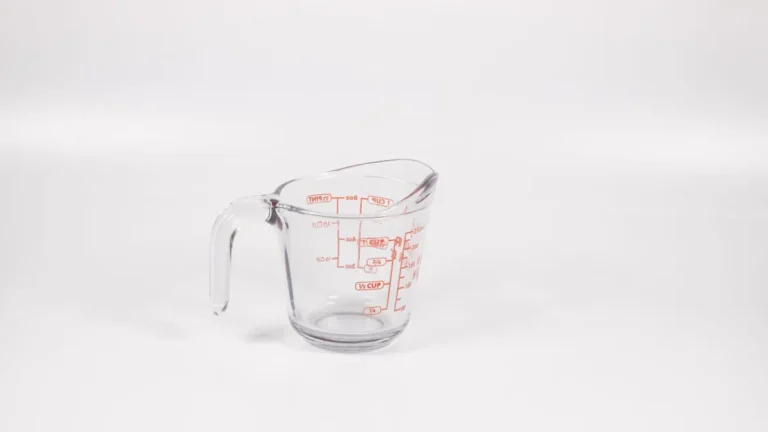
Weight ounce or fluid ounce?
Both are written as “ounce”, but they measure different things. Check which one your recipe or label means before you convert.
| Ounce (weight) | Fluid ounce (volume) | |
|---|---|---|
| Measures | How heavy something is | How much space a liquid fills |
| Short form | oz | fl oz |
| Metric value | 28.349523125 g | 29.5735295625 mL |
| Measured with | A scale | A measuring cup or jug |
| Seen on | “Net wt” on food packets | Drink bottles and cartons |
The converter is set to 1 ounce (weight) in grams. Swap the units to turn grams into ounces, or pick pounds or kilograms.
Ounces to grams chart
Multiply ounces by 28.349523125 to get grams. Values are rounded to two decimals.
| Ounces | Grams |
|---|---|
| 1/4 | 7.09 |
| 1/2 | 14.17 |
| 3/4 | 21.26 |
| 1 | 28.35 |
| 2 | 56.7 |
| 3 | 85.05 |
| 4 | 113.4 |
| 5 | 141.75 |
| 6 | 170.1 |
| 7 | 198.45 |
| 8 | 226.8 |
| 9 | 255.15 |
| 10 | 283.5 |
| 12 | 340.19 |
| 16 | 453.59 |
Grams to ounces chart
Divide grams by 28.349523125 to get ounces. Values are rounded to three decimals.
| Grams | Ounces |
|---|---|
| 1 | 0.035 |
| 5 | 0.176 |
| 10 | 0.353 |
| 25 | 0.882 |
| 50 | 1.764 |
| 100 | 3.527 |
| 200 | 7.055 |
| 250 | 8.818 |
| 500 | 17.637 |
| 1,000 | 35.274 |
Pounds and ounces to grams
Food labels and baby scales often show pounds and ounces together, such as 1 lb 4 oz. Turn the pounds into ounces first (1 lb = 16 oz), add the extra ounces, then multiply by 28.349523125.
- 1 lb 4 oz = 16 + 4 = 20 oz.
- 20 × 28.349523125 = 566.99 g, or about 567 grams.
A whole pound is 453.59237 grams, so a rough check is “a bit under half a kilogram per pound”. For kilograms, divide the grams by 1,000.
Where the 28.35 comes from
Since 1959 the pound used in the US and UK has been defined as exactly 0.45359237 kilograms, which is 453.59237 grams. An ounce is one sixteenth of a pound, so 453.59237 ÷ 16 = 28.349523125 grams. That exact value is the one NIST lists in Handbook 44, and it is the factor the charts and the converter on this page use.
Avoirdupois, troy and fluid ounces
- Avoirdupois ounce (oz): 28.349523125 g. Used for food, mail and body weight in the US.
- Troy ounce (oz t): 31.1034768 g. Used for gold, silver and other precious metals, so it is about 9.7% heavier than a regular ounce.
- US fluid ounce (fl oz): 29.5735295625 mL. A volume, not a weight.
One fluid ounce of water weighs about 29.5 grams, a little more than 1 ounce. Lighter foods weigh much less for the same space: using the converter’s typical flour value, 1 fluid ounce of flour is only about 15 grams. That is why a fluid ounce and a weight ounce only match for water, and only roughly. For liquid volumes, see how many ounces are in a gallon.
Quick mental math
For a fast estimate, use 28 grams per ounce. It comes out about 1.2% low, which is close enough for most cooking. To go from grams to ounces in your head, 100 grams is about 3.5 ounces, so 200 grams is about 7 ounces.
Worked example
Worked example: a recipe in grams, a scale in ounces
A recipe asks for 250 g of flour, but the kitchen scale only shows ounces.
- Divide by the factor: 250 ÷ 28.349523125 = 8.818 oz.
- Round to what the scale shows: about 8.8 oz.
- Check it backwards: 8.8 × 28.349523125 = 249.48 g, about half a gram short of 250, which no home scale will notice.
The reverse works the same way. An 8 oz bag of shredded cheese holds 8 × 28.349523125 = 226.8 grams.
Source: NIST Handbook 44 (2026), Appendix C: General Tables of Units of Measurement. The tables on this page were calculated from those exact factors, then rounded.